
Responsibility is part of the fabric.
For us, sustainability is a commitment, not just a word. We work to improve our products, but also how we do business, how we treat our people, and how we care for our communities and the planet.
Less energy, less water, cleaner discharge.
Textiles depend on water and energy. We invest so that we use less, treat everything we use, and return clean water to the environment.
Biological effluent treatment
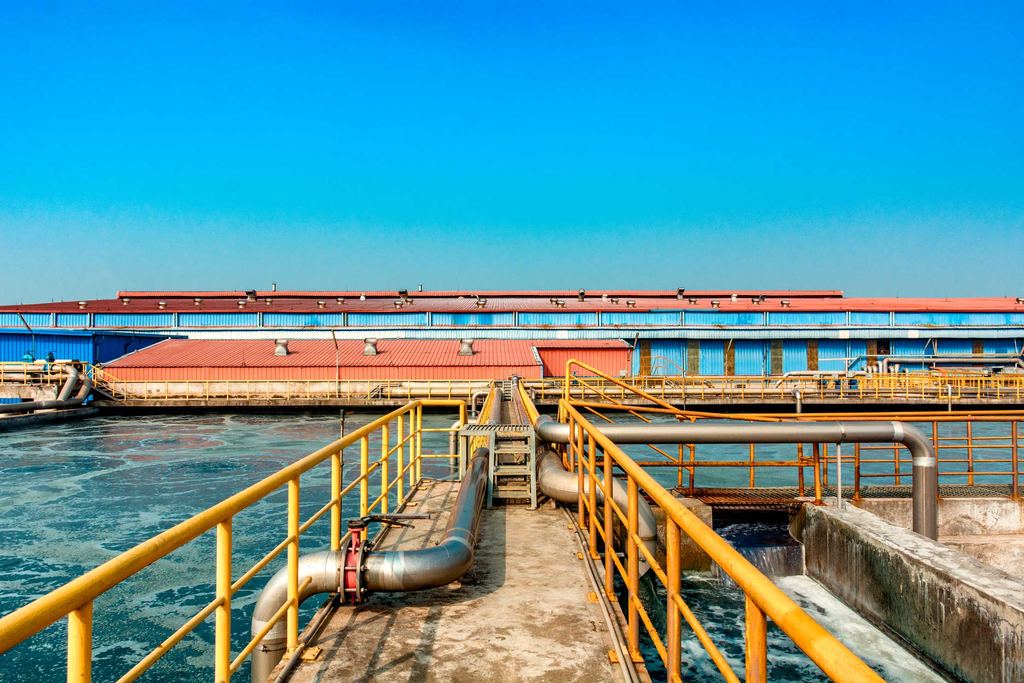
Our biological ETP, engineered by Panta Rei, treats all process water. It is run from a digital central control room and monitored by an on site lab for BOD, COD, TDS, pH and dissolved oxygen.
Towards zero liquid discharge
We are investing in Zero Liquid Discharge technology and harvesting rainwater to reduce how much groundwater we draw and how much energy softening takes.
Solar & efficient energy
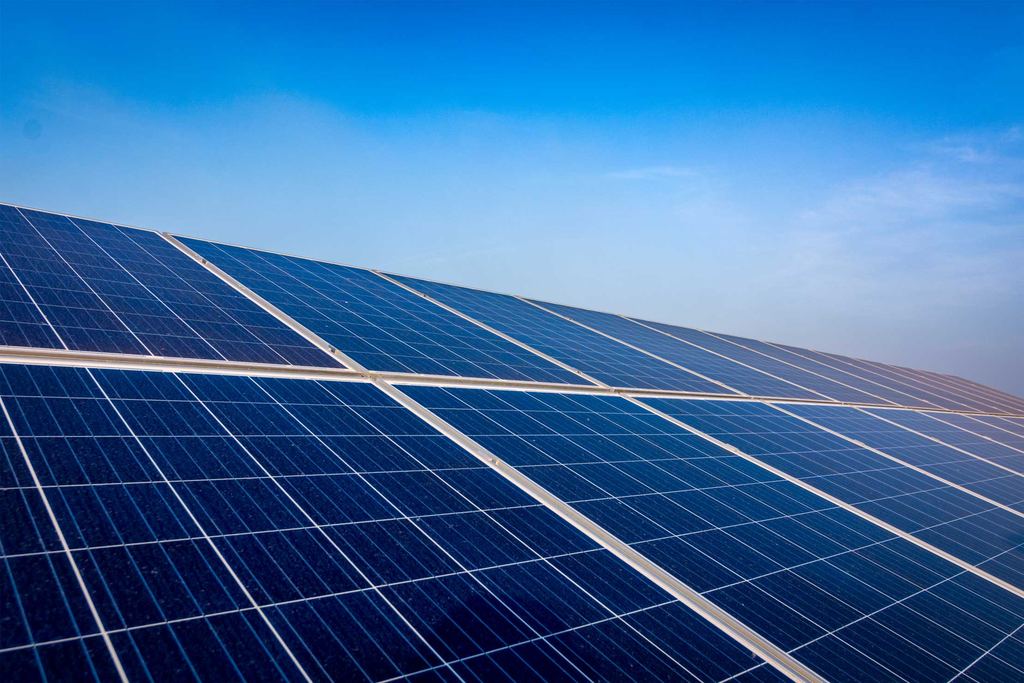
Solar power supports production, and LED lighting runs across our facilities. We keep investing in cleaner energy available in Bangladesh.
Steam & heat recovery
Exhaust gas boilers turn waste heat into steam, and insulated machines cut heat loss throughout production.
Right first time
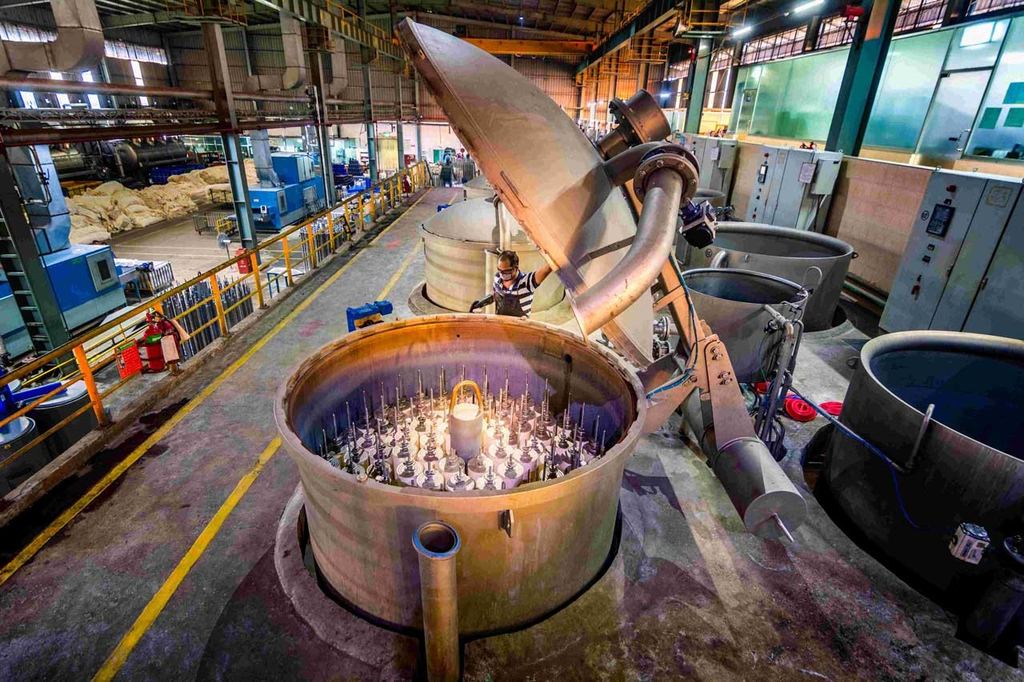
IoT monitoring, automated dye recipes and article specific dye line design avoid reprocessing, saving water, energy and chemicals before they're used.
A carbon roadmap
The Talha Group is working towards carbon neutrality by 2030, through reforestation and cleaner energy, and to be carbon positive by 2040, bringing its supply chain along.
Follow a litre of process water.
Every litre that leaves our dye house passes through our biological effluent treatment plant. Step through its journey, stage by stage.
Water colours are illustrative.
- Stage 01
Collect
Process water from our yarn dyeing, piece dyeing and finishing lines flows to the effluent treatment plant, which treats all of it.
- Stage 02
Screen and balance
Screens catch lint and loose fibre. An equalisation tank then evens out flow, temperature and pH, so the biological stage receives a steady load.
- Stage 03
Treat biologically
In aerated tanks, bacteria break down the organic load left by dyes and auxiliaries. The plant was engineered by Panta Rei.
- Stage 04
Settle
Clarifiers let the treated water separate from the biological sludge, which is drawn off and handled on its own.
- Stage 05
Test
An on site lab checks BOD, COD, TDS, pH and dissolved oxygen, and the whole plant runs from a digital central control room.
- Stage 06
Return and reuse
Treated water is discharged, and we are investing in Zero Liquid Discharge technology so more of it comes back into production. Rainwater harvesting cuts how much groundwater we draw.
Safer chemistry, by design.
We choose dyes and chemicals from certified international partners and screen every one before it enters our facilities.
- OEKO-TEX® Detox to Zero and bluesign® approved chemistry
- ZDHC certified dyes and chemicals, in line with the Roadmap to Zero
- REACH: registration, evaluation, authorisation and restriction across the full lifecycle
- Restricted substance screening with suppliers and labs before procurement
- Chemical impact data from the Higg Index guides our choices
Better fibres, fully traceable.
We are moving away from conventional raw materials towards lower impact alternatives wherever possible. Our suppliers must respect human rights and pay fair wages at every stage.
Better Cotton
A long standing BCI partner, for cotton grown with better water and pesticide practices and fair treatment of farmers.
Organic cotton
Certified to OCS and GOTS, with complete supply chain traceability.
Cotton made in Africa
Supporting African smallholder farmers to grow cotton economically and sustainably.
Recycled cotton
Production waste is respun into new yarn and traced through the Global Recycled Standard.
Lyocell & Refibra™
Lenzing fibres from FSC certified wood, with a transparent supply chain. Refibra™ also contains recycled cotton scraps.
Ecovera & Modal
Regenerated cellulosic fibres from responsible wood pulp, with a far lower water and carbon footprint than generic viscose.
Recycled PET
Locally sourced rPET gives used plastic bottles a second life.
Innovation fibres
Kapok, and successful trials of Jutton, a biodegradable cotton and jute blend.
Waste is a resource.
We design for a longer life cycle across our products, byproducts, waste and materials.
Cotton
Production waste and rejects go to our cotton recycling unit and come back as new fibre and yarn of the same or similar quality.
Plastic
Plastic used in house is turned into new chips in our own recycling unit, then into consumer packs, blister packs, corner protectors and band rolls.
Paper
Paper waste becomes new multiboxes, hang tags and price tags, and recycled paper makes up a growing share of our packaging.
Metal
Metal waste is remade in house into warper beam flanges, transport trolleys and storage boxes.
Wood
Furniture for our worker dormitories, including tables, lockers and cots, is made from in house wood waste.
Packaging
Recycled, FSC and GRS certified packaging materials, moving towards fully recycled poly.
The hands that make us who we are.
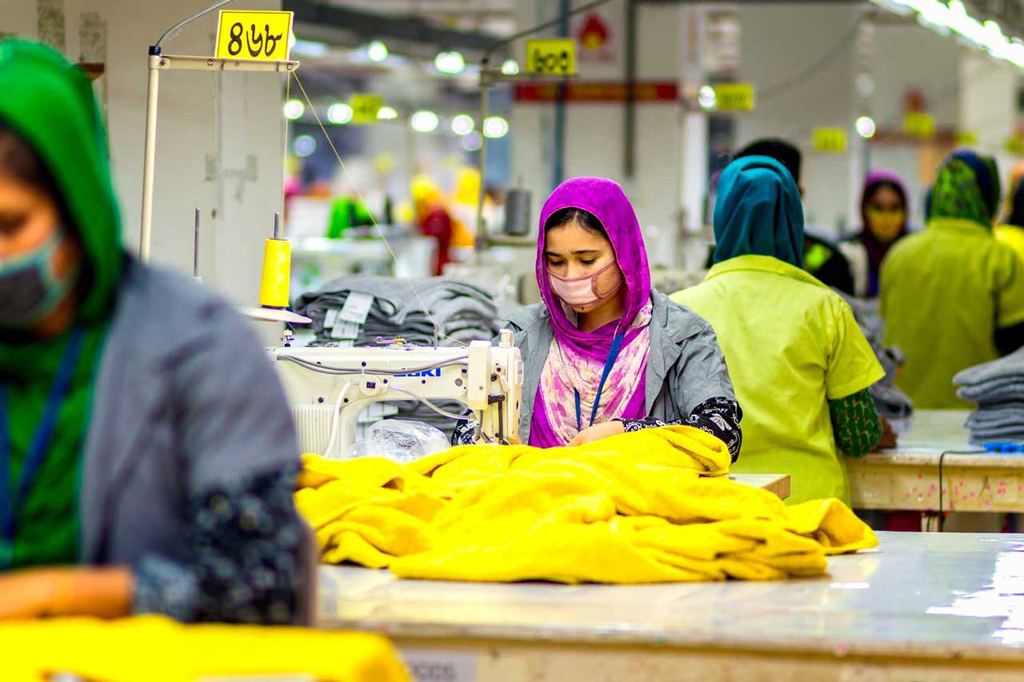
Women make up the majority of our garment workforce. We are committed to fair pay, safety, equal opportunity and real chances to grow.
- Competitive wages, paid on time
- Salaries paid to bank cards
- Maternity leave & infant daycare
- On site medical care
- Life insurance
- Worker accommodation
- Hygienic dining for all
- Fair price shop
- Training & development centre
- Health & HIV awareness programmes
- Performance & attendance bonuses
- Zero tolerance of child labour
Equal opportunity, in practice.
Our gender equality and diversity policies turn commitments into everyday practice on the factory floor.
Women's empowerment
Equal pay for similar work, unbiased hiring, and a route for skilled women workers into staff and officer roles.
Zero tolerance of harassment
Under the Better Work programme, a dedicated gender based violence and harassment committee, with training, investigation and support for victims.
Diversity & inclusion
No discrimination on any protected characteristic, and real opportunities for people with disabilities. We review the policy every year.
Growing together.
Through our group companies and charitable foundations, we invest in the communities around our factories.
Education
Support for schools, colleges and madrasahs across Bangladesh, from learning materials to new buildings, plus adult literacy and vocational training.
Infrastructure
Public roads built and repaired in Mirzapur and Tongi, and a second gas line financed for industries in the Vawal area.
Cleaner surroundings
Community cleaning weeks and tree planting drives that improve public health and local biodiversity.
Women's programmes
Resources, training and opportunities that help women take part in economic life and lead.
Financial literacy
Training in budgeting and saving, and microdonations that help families start small businesses or meet emergency needs.
Humanitarian relief
Support for people in need, including relief after the 2023 earthquake in Türkiye.
Responsible business, written down.
Our policies set clear expectations for us, our suppliers and our partners. Copies are available to buyers and auditors on request.
Supplier outreach
Through the Talha Foundation's "Talha Way" programme, we help suppliers meet human rights, labour law and fair wage standards, and offer better payment terms to small vendors.
Transparency & anticorruption
Responsible sourcing, ethical trading, risk assessment and due diligence, with zero tolerance of corruption and anticompetitive behaviour.
Security & privacy
Personal data from suppliers, buyers and employees is collected only when needed, used lawfully and stored securely.
Gender equality
Equal pay, equal opportunity and the elimination of gender based violence and harassment.
Diversity & inclusion
Equality, fairness and respect for everyone in our workforce, whatever their background.
Animal welfare
None of our products use or process animal derived materials.